

CPI Surprise Cooling Ignites U.S. Stock Rally
CPI Surprise Coolin Sparks Market Enthusiasm: All Three U.S. Indices Up, Risk Appetite Rebounds
Keywords
CPI, U.S. stocks, risk appetite, rate cut expectations, market rally, inflation data
Introduction
On July 13, 2026, U.S. stocks experienced a dramatic turnaround. Driven by an unexpectedly cool June consumer price index (CPI), long-wary and cautious investors saw their risk appetite rise sharply. All three major indices—the Dow Jones Industrial Average, S&P 500, and Nasdaq Composite—closed higher, with the tech-heavy Nasdaq leading the gains. The market seemed to shift overnight from "frozen" to "on fire." This rally was not just an immediate reaction to one data point; it signaled a profound shift in the macroeconomic narrative.
I. CPI Surprise Cools: Signals Behind the Data
June CPI rose 3.0% year-over-year, below the expected 3.1%, while core CPI fell to 3.3%, its lowest since September 2021. This data was deemed a "surprise" because months of persistent inflation and hawkish Fed comments had led investors to write off near-term rate cuts. Falling energy prices, slowing used car and housing costs were the main drivers of the cooling.
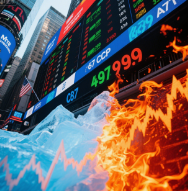
The chart above shows intraday moves of major U.S. indices, clearly showing the sharp rise after the CPI release.
Structurally, core services inflation (especially rent) remained high but showed marginal improvement. The Fed's closely watched "supercore" inflation (services excluding housing) grew only 0.1% month-over-month, further reinforcing the narrative that inflation is converging toward the 2% target. This inflection point, where "quantitative accumulation leads to qualitative change," prompted markets to reprice the rate cut path.
II. Market Reaction: From Risk-Off to Risk-On
After the CPI release, the dollar index dropped over 0.5% intraday, the 10-year Treasury yield fell below 4.2%, and U.S. stocks surged. The Dow gained 1.2%, the S&P 500 1.6%, and the Nasdaq 2.3%, with the Magnificent Seven (Apple, Microsoft, Google, Amazon, Nvidia, Meta, Tesla) averaging over 3% gains.
The underlying logic of this rally: cooler inflation reduces the need for further Fed hikes and even pushes the probability of a September rate cut from below 20% before the release to above 45%. Meanwhile, lower long-term interest rate expectations lowered the discount rate for risk assets, providing strong support for high-valuation tech stocks. The Russell 2000 index of small-cap stocks also gained 1.8%, indicating capital broadening from safe havens to broader equities and a full recovery in risk appetite.
III. Sector Rotation and Fund Flows
Despite all three indices rising, sector divergence persisted. Rate-sensitive real estate and utilities led the gains, up 2.5% and 2.1% respectively, while energy stocks, previously favored due to high inflation, fell 0.7%. This reflects a market shift from "inflation trade" to "rate cut trade."
Notably, the rotation between growth and value stocks was again on display. Semiconductor stocks like Nvidia and AMD hit all-time highs, while bank stocks also rose but more modestly, supported by lower rates. The underlying driver is investor expectations that rate cuts will reshape corporate profitability—lower rates reduce financing costs and stimulate R&D and M&A by tech firms.
IV. Macro Outlook and Policy Game
The unexpected CPI cooling gives the Fed more reason to hold rates steady at the July meeting. However, markets cannot rest easy. The New York Fed's Survey of Consumer Expectations shows the median one-year inflation expectation at 3.2%, still above the Fed's target. The job market remains strong, with June payrolls growing 206,000 and wage growth above 4%, which could limit the Fed's room to cut rates.
From a broader perspective, global growth slowdown, geopolitical risks, and U.S. election uncertainty could all roil market sentiment in the coming weeks. But at least on July 13, investors chose to believe in the possibility of a soft landing—inflation gradually cooling and the economy remaining resilient, the ideal policy outcome.
Conclusion
The surprise June CPI cooling was like a timely rain, dousing fears of inflation rebound and igniting risky assets. The collective rise of three indices was not just a pricing of one data point, but a milestone in the narrative shift from a tightening cycle to an easing expectation. Of course, the road ahead is uncertain: will the Fed actually start cutting rates in September? Can core services inflation continue to decline? The answers will determine the longevity of this rally. For investors, while staying alert, they should capture structural opportunities to reposition risk exposure in the rate-down cycle. Regardless, this night of "ice and fire" has set a new tone for H2 2026.

Disclaimer: This article is for reference only and does not constitute investment advice. Investment involves risks, please invest cautiously.
US Stocks Kick Off August with Volatility: Nasdaq Consolidates at Highs, Rotation Shifts to Defensive Sectors – How Should Asian Investors Respond?
2026-08-05
Fed Holds Rates Steady, Hints at September Cut; U.S. Stocks Rally Across the Board
2026-07-28
Tech giants' earnings beat expectations, pushing US stocks to record highs; Nasdaq leads global markets
2026-07-27